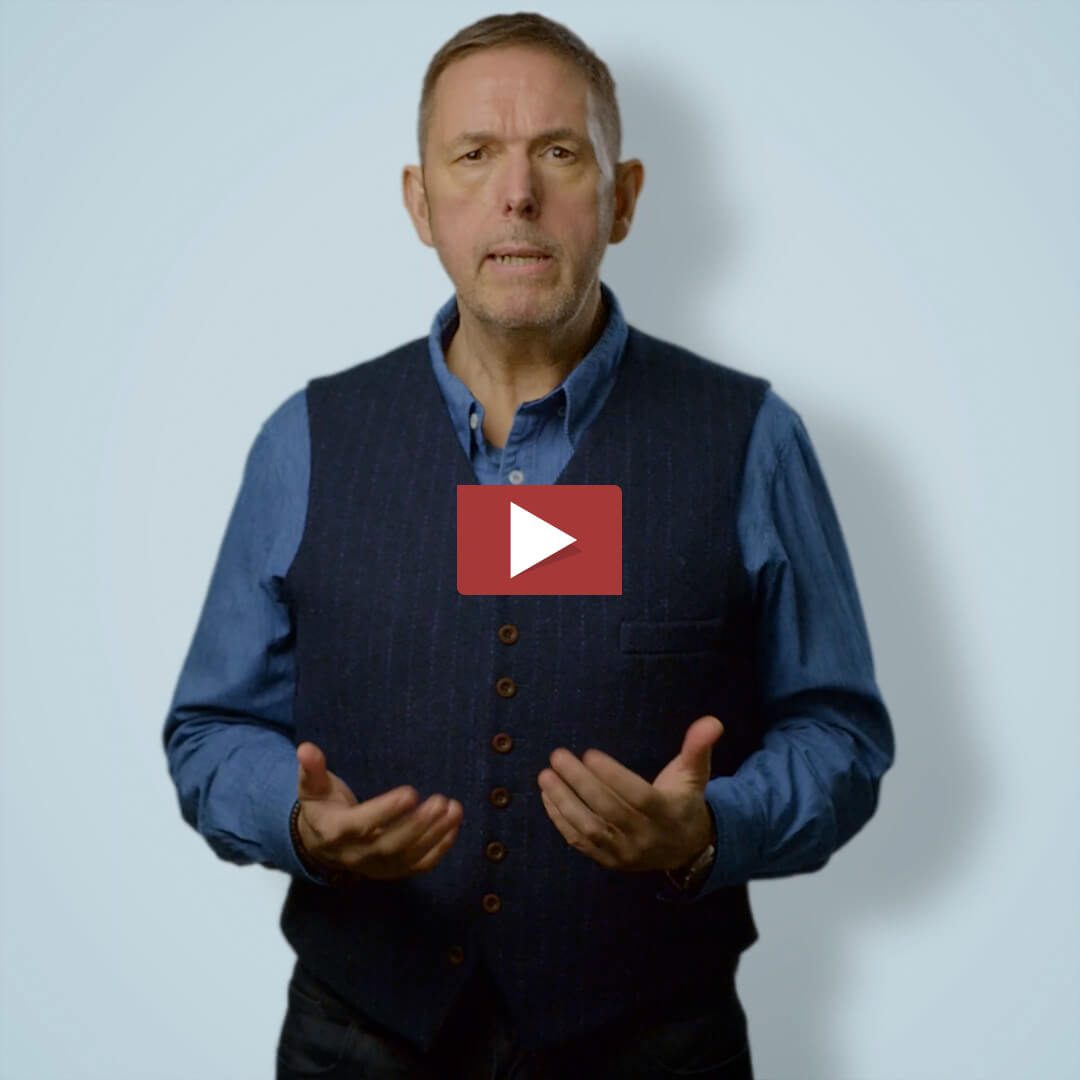
Your expert in ADHD treatment & support

Meet Stephen Taylor

My 37-year journey working in mental health began in high-secure mental health hospitals, where I developed a deeper understanding of the human experience. This led me to qualify as a mental health nurse specialising in trauma and liaison psychiatry and then to train as a  psychotherapist. As a Senior Clinical Nurse Specialist, I further honed my expertise in psychological medicine, eventually becoming an independent prescriber. The combination of my extensive clinical experience and qualifications has equipped me with the skills to comprehensively assess, diagnose and treat a wide range of mental health conditions. I’ve also been very fortunate in teaching undergraduate and postgraduate mental health nurses in the art and skill of psychiatric assessment and helping them understand and develop the essential qualities, such as warmth compassion and empathy, essential to the therapeutic relationship.

My passion for accurate diagnosis led me to specialise in adult ADHD, undergoing advanced training with the UK Adult ADHD Network. Crucial for effective assessment and ultimately diagnosis and treatment, I’m skilled in differentiating genuine ADHD presentations from other mental health challenges. Currently, I’m planning on pursuing a PhD, researching the effectiveness of Cognitive Analytic Therapy in addressing secondary ADHD symptoms like shame and low self-esteem. I’m also actively building a team of like-minded Cognitive Analytic Therapists, Psychiatrists and Psychologists who truly understand ADHD to join theadhdspecialist.com, and I’m excited to see our practice grow.

Stephen Taylor RN(MH),NMP, Dip, PGDip, PGCert, 
Clinical Nurse Specialist,
Cognitive Analytic Therapist,
Nightingale Scholar,
Independent Prescriber.
Member of the British Psychopharmacological Society. 

Meet Tessa Lange

As an Assistant Psychologist, kindness and compassion are at the core of my work. I believe that the therapeutic relationship is central to meaningful change and that a genuine, supportive alliance plays a key role in promoting personal growth and recovery. This belief is deeply rooted in my clinical and academic experiences, which have shaped my commitment to a compassionate, personalised, and evidence-based approach to mental health care.

Prior to joining The ADHD Specialists, I worked in both private psychiatric and psychotherapeutic settings, as well as within the NHS, supporting clients with a wide range of mental health needs. I also served as an Honorary Researcher and contributed to data audits, which strengthened my ability to evaluate problems objectively and contribute to safe, effective, and evidence-based solutions for the challenges my clients face. In addition to my clinical experience, I completed the MSc in Mental Health Studies at King’s College London, building on a First-Class BSc Honours degree in Psychology. 

Services

As part of my work, I offer behavioural interventions and body-doubling support. These tools can be especially helpful for individuals who struggle with focus, motivation, or managing everyday tasks — challenges that are common in ADHD and other neurodevelopmental conditions.

Behavioural Interventions

Behavioural interventions involve working together to break down goals into manageable steps, build helpful routines, and develop strategies that support long-term change.

Body-doubling

Body-doubling is a simple but powerful technique in which I provide a calm, non-judgmental presence during tasks that might otherwise feel overwhelming. For many people, just having someone there can make it easier to start, stay focused, and feel less alone in the process.

Meet John Harding

Cognitive Analytic Therapist, Psychotherapist, Registered Mental Health Nurse. Group Analytic Therapy Training (1st stage), Dialectical Behavioural Therapy Skills trained.

In the first half of my career I worked as mental health practitioner in a wide variety of settings, initially in-patient and later community based settings ranging from acute inpatient admissions to liaison psychiatry to crisis services.

In the second half of my career I retrained as a psychotherapist, I worked as a part of a team providing assessment and psychological therapy for patients in a NHS Secondary Care Psychological Service. I specialised working with clients at the more severe end of the range many with the diagnosis of Emotionally Unstable Personality Disorder, with overlapping difficulties that often included some of the following; anxiety, OCD, recurring depression, self-defeating patterns, turbulent relationships, emotional neglect, abandonment, childhood sexual abuse, unresolved childhood issues, interpersonal difficulties, self-sabotage, existential issues and loss.

Since retiring from the NHS six years ago I have continued to work in my private practice. Quite organically and naturally I started to see more men a reverse of my experience in the NHS. Another pattern also started to emerge that was that approximately twenty five percent of them had been given the diagnosis of ADHD as adults. I became more familiar, experienced and skilled at addressing the issues that emerged because of the impact undiagnosed ADHD has. It led me to seek further training in this much neglected area.

The therapy I provide is very human, it recognises that people have an innate desire to understand and make sense of themselves and their lives. It is only when we can see the whole picture with the detailed pieces, can we really start to make change but importantly to also see clearly the obstacles that prevent us from living a more fulfilling life.

In my work I focus on the relationship and the role ADHD has and continues to play in your lives, its strengths and its drawbacks and the labels and narrative that have been attached and how they have shaped you for better or for worse.

Being men there are very strong messages we receive as children and societal expectations about what we can and cannot express emotionally. Sadly this often leads to us avoiding seeking help for far too long because of the powerful negative feelings of embarrassment, shame, weakness, vulnerability and sense of failure. The antidote to these are empathy and compassion for oneself, not an easy feat by any means but by having our story re-narrated we often get a different, more balanced perspective that is the fertile ground that allows self-compassion to grow.

The therapy I offer is evidence based (this means it is proven to be effective), collaborative drawing on your lived experience and self-understanding and is tailored to meet your needs and goals.